Our Blog

Invisalign® and Invisalign Teen®

September 21st, 2017

There are so many adults and teens in our New Bedford or Mattapoisett, MA office who would love to have their teeth straightened but that are unwilling to go through the long and unsightly process of traditional metal braces. Well, that's where Invisalign® and Invisalign Teen® come to the rescue; the most advanced clear aligner systems in the world!

There are several reasons why, if you're considering getting braces, you should consider Invisalign too. Here are some of them:

  • You can eat whatever food you'd like, without worrying about it getting caught in wires or breaking brackets.
  • Most people won't even know you're wearing them!
  • If you need to, you can remove your aligners at any time.
  • The removable aligners let you brush and floss as you normally would, making for better overall oral health.
  • Since they are made of a smooth BPA-free plastic, Invisalign aligners are simply more comfortable to wear than traditional braces. No metal means no more roughed up gums or irritated tongue!
  • You'll need to visit our New Bedford or Mattapoisett, MA office less often — only once every six weeks or so.
  • With Invisalign Teen, you’ll receive up to six replacements for lost or broken aligners.

Before you get started with treatment, you’ll have a consultation with Dr. Neil Oliveira and Dr. Derek Wolkowicz to see if Invisalign or Invisalign Teen is right for you. If your case is a good fit, then you’ll have X-rays, pictures, and impressions of your teeth taken. That information will be used to make the 3D models of your teeth that let Dr. Neil Oliveira and Dr. Derek Wolkowicz see how they will move throughout the entire treatment and approximately how long it will take.

After that, you’ll receive your aligners based on the treatment plan we recommend. You’ll get a new set of aligners every two weeks. Then all you need to do is wear your aligners 22 hours a day and you’ll be on your way to a straighter healthier smile. Don’t hesitate to a member of our New Bedford or Mattapoisett, MA team for more information about Invisalign!

Protecting Your Smile with Mouthguards

September 14th, 2017

If you participate in sports or other physical activities, it’s wise to consider getting a mouthguard. Also known as mouth protectors, mouthguards are a device worn over the teeth to lessen the impact of a blow to the face.

This reduces the chance that you might lose teeth or sustain other serious oral injuries. We recommend that all patients involved in a contact sport such as wrestling, football, or hockey wear a mouthguard because of the high risk of such injuries.

However, anyone involved in a physically demanding sport or activity should wear a mouthguard as well.

Can you imagine what it would be like to lose a few of your front teeth? The way you talk, eat, and smile would all change. Potential injuries when you don’t wear a mouthguard include chipped and broken teeth, fractured jaws, root damage, damage to crowns and bridgework, concussions, and/or injury to the lips, cheeks, or gums.

Types of Mouthguards

There are three different types of mouthguards — typically made of a soft plastic material or laminate. You can decide which works best for you in terms of budget, fit, and comfort.

  • Stock mouthguards are prefabricated to a standard size. They offer adequate protection, but you need to make sure you find one that fits properly and comfortably. Stock mouthguards are readily available at department stores, sporting goods stores, and online.
  • Boil-and-bite mouthguards are placed in boiling water to soften them, then into the mouth so they can conform to the shape of the teeth. Boil-and-bite mouthguards are more expensive, but offer a more customized fit than stock ones. You can find these in department stores, pharmacies, sporting goods stores, and online.
  • Custom-made mouthguards are created just for you by Dr. Neil Oliveira and Dr. Derek Wolkowicz. These offer the best fit and comfort of all the options, but they are also the most expensive. Ask a member of our New Bedford or Mattapoisett, MA team for more information.

The American Dental Association says a good mouthguard should be easy to clean, fit properly, be comfortable, and resist tearing or damage. It shouldn’t restrict speech or breathing.

Still not sure if you need a mouthguard or which kind is right for you? Ask Dr. Neil Oliveira and Dr. Derek Wolkowicz or one of our staff members for more information.

Tips for Caring for Your Braces at School

September 7th, 2017

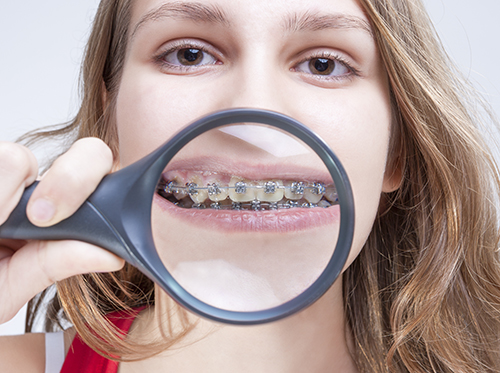
School can present a few issues when it comes to caring for your braces and mouth, since you won't have the luxury of the time and tools you have at your disposal while you're at home. But if you head to school prepared, you shouldn't have any trouble keeping your braces and mouth in great shape. Below is a list of helpful tips to care for your braces throughout the entire school year.

  • Bring a kit that includes all of your oral health care items. This is a seriously smart thing to do and probably the most important of all the tips. Pack things like a toothbrush, floss, wax, retainer case (if needed), a mirror, a small cup for rinsing, a small bottle of water (if you don't already have some water with you), and some OTC pain medicine or a natural pain remedy. Keep the kit in your locker or backpack. Having all these items on hand will save you a lot of trouble and discomfort, and also ensure you don't have anything unsightly stuck in your braces or teeth!
  • Take advantage of breaks and lunchtime. After eating lunch is a great time to pop into the restroom and give your braces and teeth a once over to make sure you don't have any food debris caught in them and to tend to any sore spots. If you've just had your braces adjusted, you may have soreness on your gums or cheeks. This is where the wax you packed will come in handy.
  • Eat the right food for your braces. Avoid all the foods that wreak havoc on your braces like gum, candy, popcorn, hard chips, apples which aren't cut into wedges, nuts, beef jerky, ice, etc. You know the foods we're talking about; you've heard it enough already. Steering clear of these foods will help you prevent any possible mishaps with your braces, like breaking a bracket or wire, which is the last thing you want happening at school.

If you follow these tips and also keep up on your oral health routine at home, you'll be maximizing the effectiveness of your braces and making them as comfortable as possible. Do you have questions about caring for your braces during the school day? Ask Dr. Neil Oliveira and Dr. Derek Wolkowicz or anyone in our New Bedford or Mattapoisett, MA office and we'll gladly help you out!

When should I floss during the day?

August 31st, 2017

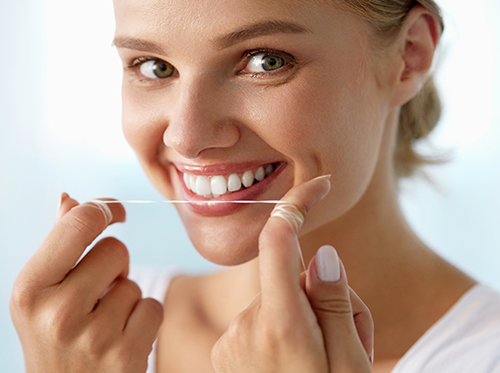
A vital step in your oral health routine is flossing. We hope our patients at Orthodontic Specialists of Southeastern Massachusetts maintain good oral hygiene, including daily flossing between each visit to our New Bedford or Mattapoisett, MA office. A toothbrush is not always enough to get to the hard-to-reach areas of your mouth. When food remains between your teeth, bacteria starts to grow and will break down your enamel. This is where flossing comes in!

Should you floss before or after brushing?

Whatever your personal preference, you may floss before or after you brush your teeth. When you floss first, you can brush away any leftover dislodged food debris from your teeth. On the other hand, when you brush first, you will loosen the plaque between your teeth, which makes flossing more effective.

The essential aspect is that you floss thoroughly by using a fresh strand of floss and make sure to get between every tooth. Even if your teeth look and feel clean, don’t skip flossing or plaque will begin to build up on your teeth.

When is the best time to floss?

Although you should brush your teeth at least twice a day, Dr. Neil Oliveira and Dr. Derek Wolkowicz and our team recommend flossing your teeth thoroughly once a day. Many people prefer to floss before bed, so that plaque doesn’t sit between their teeth all night.

What kind of floss should I use?

You may choose between interdental cleaning picks or flexible floss strands to perform your daily flossing routine. If you have permanent oral appliances or restorations, be sure to follow the flossing instructions provided to you.

Do you need help flossing?

If you’re having trouble flossing or have questions about which floss is best for your teeth, contact our New Bedford or Mattapoisett, MA office and we can provide you with support. Be sure to keep up with your daily flossing routine, and we will see you at your next appointment!