August 11th, 2016
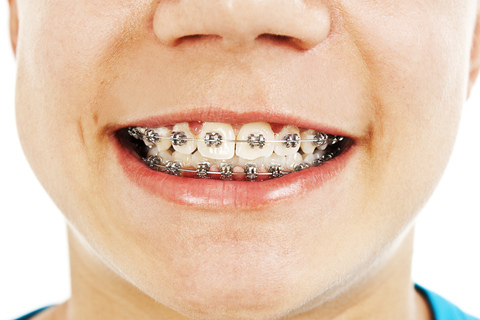
Perhaps you feel your teeth are not perfectly straight, or you think your bite could be adjusted. It’s quite possible that braces and other orthodontic treatments might be the right choice for you. As orthodontic professionals, our team at Orthodontic Specialists of Southeastern Massachusetts works with your general dentist in order to determine the best options for your oral health and cosmetic appearance.
You might need braces if ...
- You lost your baby teeth relatively early in life. If your baby teeth fell out too early and your adult teeth did not come in for a while, this could have affected the way your adult teeth grew and developed.
- Your teeth look crowded or crooked. If you are embarrassed to smile because your teeth are not straight, it might be time to consider the cosmetic options available to you.
- Your jaw shifts or makes sounds. This can signify a developmental issue with your teeth and your jaw line, and orthodontic treatment may be able to help. Set up an appointment with Dr. Neil Oliveira and Dr. Derek Wolkowicz if your jaw is recessed or protruding as well.
- You are constantly biting the sides of your cheek or hitting the roof of your mouth. This could indicate that your teeth are not properly aligned. Braces can address an underbite or an overbite.
- You have a difficult time chewing your food. This is not only an inconvenience, but it can also be detrimental for your health. Braces can help fix the alignment of your teeth.
- You have to breathe through your mouth on a regular basis. You may not attribute this to an issue with the development of your teeth or jaw, but orthodontic treatment might be able to help.
The ideal age for a child to be seen by an orthodontist is age seven. However, there are many orthodontic treatment options available to adults. It is becoming increasingly common for adults to wear braces and other orthodontic devices. We recommend that people who are interested in braces and other orthodontic treatment options set up a consultation appointment with Dr. Neil Oliveira and Dr. Derek Wolkowicz today.
August 4th, 2016

It's the big day and your braces are finally coming off! Does that mean you are completely done? Not so fast! After you complete your treatment here at Orthodontic Specialists of Southeastern Massachusetts, Dr. Neil Oliveira and Dr. Derek Wolkowicz and our team will recommend you wear a retainer, which must be worn routinely after treatment in order to hold your teeth in their proper, new position while your gums, ligaments and bones adapt. Most patients are required to wear their retainer every night at first, with many also being directed to wear them during the day. It's important to know there are different kinds of retainers, and today we thought we would explain the differences between them.
Hawley Retainers
The Hawley retainer is one of the most common types of retainers. It is a removable retainer made of a combination of a metal wire that typically surrounds the six anterior teeth and is designed to keep your teeth in place. This retainer is made from impressions of your teeth so that it fits snugly and comfortably in the roof of your mouth, while the wire and acrylic framing keeps your teeth in an ideal position. The acrylic can also be personalized with a large number of colors or patterns.
Essix (Clear) Retainers
The Essix retainer is a transparent removable retainer that fits over the entire arch of your teeth. This clear or transparent retainer fits over the entire arch of teeth and is produced from a mold. Similar to Invisalign’s clear aligner trays, Essix retainers have no metal or wires. They can also be used to produce minor tooth movements and can be helpful in prevention of tooth wear due to tooth grinding at night.
Bonded Retainers
Bonded lingual retainers are cemented directly to the inside surface of your lower canines. Dr. Neil Oliveira and Dr. Derek Wolkowicz and our team at Orthodontic Specialists of Southeastern Massachusetts encourage our patients with bonded lingual retainers to be careful with their bite as the bonding material may break due to incorrect biting and cause your teeth to shift. As with removable retainers, it is important to keep your bonded retainers clean. When brushing, make sure to carefully clean the inside of your lower teeth, as well as the wire itself.
The retention phase of treatment begins when the patient’s braces are removed. Retainers are worn full time, typically for the first nine months, except while eating. Retainers should also be removed before brushing your teeth.
If you have any questions about the retainers we offer or to learn more about post-orthodontic treatment, please feel free to contact us at our convenient New Bedford or Mattapoisett, MA office and we will be happy to answer any of your questions!
July 28th, 2016

Did you know that more than four million children throughout the US and Canada have braces? At Orthodontic Specialists of Southeastern Massachusetts, Dr. Neil Oliveira and Dr. Derek Wolkowicz and our staff know that kids can be picky and meticulous eaters. If cooking for children without braces is difficult, preparing meals for children with braces is especially daunting.
“Comfort food takes on a whole new meaning when cooking for children with braces,” says Pamela Waterman, author of The Braces Cookbook: Recipes You and Your Orthodontist Will Love. “Whether you have new brackets, elastics, headgear, or more, there are great foods you can eat; it just takes some thought.”
These five braces-friendly dinner recipes will be sure to keep your kids smiling!
- Macaroni and cheese is the ultimate comfort food. Pasta is soft, so it’s easy for children with braces to eat. The warm, gooey cheese melts in the mouth and doesn’t get stuck in the braces like hard or sticky foods. Chances are good that even the pickiest eater has a soft spot for this homespun classic.
- The key to braces-friendly cooking is to replace hard, crunchy foods with softer substitutes. In other words, burritos are a better option than tacos, and lasagna is a better choice than pizza. At the same time, if you have the culinary skills to whip up a pizza with a soft crust, you’re going to win the Best Mom (or Dad) of the Year award.
- Your child may not like fruits and vegetables. In fact, he or she may even try to convince you that with new braces, fruits and vegetables are off limits. Nice try, kids. While your child is wearing braces, prepare meals with cooked vegetables instead of raw vegetables. A vegetable stir-fry is a healthy and soft dinner choice for kids with braces.
- Whether it’s beef or chicken, meat is a good source of protein. However, meat, even when it’s carefully taken off the bone (kids with braces should never eat meat from a bone), can easily get caught in braces. Sloppy Joes are a good alternative. The beef is softened by the addition of the sauce and less likely to get strung in the wires and brackets of the braces. Serve the Sloppy Joes with a side of mashed potatoes.
- Ask any child and he or she will tell you that the best part of dinner is dessert. While hard candy, licorice, taffy, caramel, popcorn, and all other chewy candies should be avoided, ice cream and cake are braces-friendly treats that keep kids smiling.
Need more braces-friendly food ideas? Feel free to ask any member of our team.
July 21st, 2016
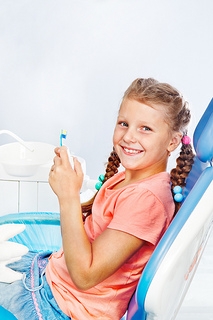
At Orthodontic Specialists of Southeastern Massachusetts, we have been creating beautiful smiles for years. Whether you or your family have visited Dr. Neil Oliveira and Dr. Derek Wolkowicz and our team for a single visit or have been loyal patients throughout the years, we would love to hear your thoughts about your experience! In fact, we encourage you to leave a few words for us below or on our Facebook page!
We look forward to reading your feedback!