Our Blog

Why choose an orthodontic specialist over a general dentist?

July 27th, 2017

Patients have so many choices for straightening their teeth nowadays — clear aligners, ceramic braces, lingual braces, self-ligating braces — but who is best suited to guide them through orthodontic treatment? Well, an orthodontist like Dr. Neil Oliveira and Dr. Derek Wolkowicz in New Bedford or Mattapoisett, MA of course!

This may seem obvious, but there’s misinformation circulating with regard to the roles dentists and orthodontists play in treating patients’ oral health.

Dentists are trained to clean teeth, fill cavities, perform certain dental surgeries, and examine overall oral health. Many dentists now offer braces to their patients, but according to the American Association of Orthodontists, it’s better to consult an orthodontist if you need to straighten teeth or fix a bite.

Why an orthodontist? Because they are...

  • Specialists in straightening teeth and aligning jaws, even advanced cases
  • Required to study an additional two to three years after dental school
  • Trained to choose the correct treatment option because they have worked with all the available options
  • Trained to recognize the potential pitfalls with certain treatments and cases, which means there’s less chance of problems after treatment has started or been completed
  • Familiar with emerging treatments and technologies so they can make the best choice for a patient’s case

Some dentists claim to have taken enough continuing education or additional training to offer braces to their patients. But this can't compare to the advanced training an orthodontist receives during his or her education.

Ideally, dentists and orthodontists work hand in hand to make sure oral health and the alignment of teeth and jaws are the best they can be. Think of a dentist as the one who is there for a lifetime, to make sure teeth and gums are healthy.

In contrast, an orthodontist is the highly skilled teammate who helps the dentist by straightening teeth and aligning the jaws over the course of a few years. Instead of one replacing the other, they work together for the health and benefit of their patients.


Foods can Wreak Havoc on Your Enamel

July 20th, 2017

It’s possible to develop tooth decay even when you take great care of your teeth. Brushing and flossing may not be enough to keep your teeth healthy, depending on your diet. Cavities, discoloration, and decay are still possible when certain foods feature in your daily intake. Keep an eye out for foods that will damage your enamel and cause the very issues you’ve been trying to avoid.

What causes enamel damage?

Tooth enamel is the hard outer layer of your teeth that is made of various minerals. Tooth decay results when the acids in your food react with the minerals in your enamel. Strongly pigmented foods may also cause unsightly discoloration on the surface of your teeth. Avoid wreaking havoc on your beautiful smile by identifying the foods that can harm your enamel.

Acid

Acidic food is your teeth’s worst nightmare! This is the greatest cause of enamel damage, even if you brush and floss regularly. To avoid damaging your teeth, make sure you can determine whether a food is acidic or not.

The pH levels are a way to determine acidity on a one-to-seven scale. This defines the relative acidity or alkalinity of a food or substance. Foods with high pH levels are not as likely to harm your enamel.

It’s wise to avoid or minimize foods that are high in acids. Highly acidic food can include fruits such as lemons, grapefruit, strawberries, grapes, and apples. Moderately acid foods may surprise you; they include tomatoes, maple syrup, pickles, and honey.

Not surprisingly, eggs and dairy products such as milk and cheese contain the least amount of acid. Red wine and coffee can also discolor your enamel if they’re drunk in excessive amounts.

What can I do to prevent enamel damage?

There are plenty of ways to avoid discoloration and decay of your enamel. The best thing to do is limit the amount of high-acid foods, including sugary juices and soda, in your diet.

Another way is to brush and floss regularly, an hour after each meal. If you can’t make time to brush, an easy solution is to swish your mouth with water or mouthwash to rinse away any leftover acidic particles.

Damaged tooth enamel may be common, but is avoidable when you know which foods to stay away from and the steps to take after you do eat highly acidic foods. Take our advice and you’ll be sure to slow down any future discoloration and decay that happens in your mouth.

For more advice on protecting your enamel, give our New Bedford or Mattapoisett, MA a call to learn more!

Importance of Oral Hygiene with Braces

July 13th, 2017

15.00

Normal
0

false
false
false

EN-US
JA
X-NONE

/* Style Definitions */
table.MsoNormalTable
{mso-style-name:"Table Normal";
mso-tstyle-rowband-size:0;
mso-tstyle-colband-size:0;
mso-style-noshow:yes;
mso-style-priority:99;
mso-style-parent:"";
mso-padding-alt:0in 5.4pt 0in 5.4pt;
mso-para-margin:0in;
mso-para-margin-bottom:.0001pt;
mso-pagination:widow-orphan;
font-size:12.0pt;
font-family:"Cambria",serif;
mso-ascii-font-family:Cambria;
mso-ascii-theme-font:minor-latin;
mso-hansi-font-family:Cambria;
mso-hansi-theme-font:minor-latin;}

Proper oral hygiene techniques are always worthwhile, but they are especially crucial when you’re wearing orthodontic appliances such as braces. When you don’t maintain an effective oral hygiene routine, you can be more susceptible to gum disease as well as tooth decay, cavities, decalcification, discoloration, and/or staining of the teeth.

Braces themselves don’t cause these issues, but since they create spaces that are difficult to clean, they provide extra sources of food (dental plaque and food debris) for the bacteria that do. Bacteria create a biofilm on the surface of a tooth that can spread if not addressed. That bacteria food can only be removed by a mechanical action: brushing and flossing your teeth!

Here’s a list of smart hygiene steps to follow for the duration of your braces treatment:

Proper tooth brushing technique: Make sure to brush your teeth thoroughly (for a total of about two minutes), but not too hard. Point the head of the toothbrush at the gum line and brush just hard enough so that you feel slight pressure against the gums. Use a soft, small-headed toothbrush or an electric toothbrush if you’d like. Try your best always to clean on and around every tooth, bracket, and wire in your mouth!

Flossing: Braces can make flossing a chore, but it’s an essential adjunct to proper tooth brushing. Make sure to floss between all your teeth and brackets. Dr. Neil Oliveira and Dr. Derek Wolkowicz can provide you with braces floss threaders and interproximal toothbrushes (small brushes used to clean areas under wires and between brackets) to make the task easier. You might also consider purchasing an oral irrigator that uses a stream of water to blast food particles and debris from between teeth and gums.

Rinse with water: This may sound slight, but it’s a good idea, especially if you aren’t able to brush. Rinsing your mouth with water throughout the day helps to dislodge the decay-causing food particles that become lodged in braces.

Hygiene away from home: It’s a good idea to have a kit with a toothbrush, floss, floss threaders, mirror, and small water cup on hand at school or work. That way, you’ll be sure to have all the tools you need to keep your mouth clean.

Regular professional cleanings: As always, it’s best to visit your dentist regularly to verify everything in your mouth is in order and your oral hygiene routine is effective. Twice a year is sufficient, unless the dentist recommends more frequent visits.

It's vital to keep your teeth and gums clean during your braces treatment, and that requires your care and attention. If feel like you need help with any of the techniques above, a member of our New Bedford or Mattapoisett, MA team can demonstrate them for you!

Bottled Water: Friend or Foe?

July 6th, 2017

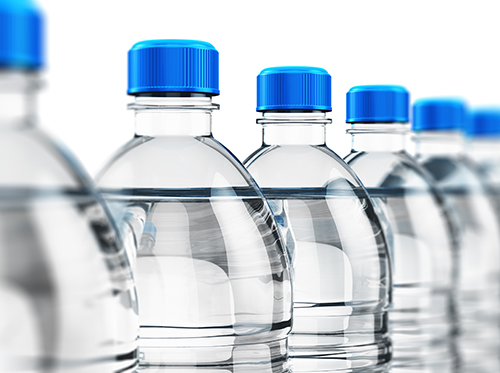
Some people choose bottled water over tap because they think it’s cleaner. Some do it out of convenience: It’s easy to grab a bottle of water to take with you for the day as you run out the door or hop in your car.

Whatever the reason, bottled water has been coming in ahead of tap water for the last couple of years. What many people may not know is that choosing bottled water over tap can actually be detrimental to your dental health.

Most brands of bottled water fail to include a vital ingredient: fluoride. Fluoride plays an important role in helping maintain good oral health because it helps strengthen our teeth. Stronger teeth mean a lower chance of tooth decay, and who doesn’t want that?

When we choose bottled water over tap water, we deprive our pearly whites of something they might very well need.

The good news is that the American Dental Association has endorsed both community water fluoridation and products that contain fluoride as a safe way to prevent tooth decay. If bottled water happens to be the preference for you or your family, you don’t necessarily have to force everyone to start drinking tap water.

Just check the label and make sure the brand you purchase contains fluoride.

It’s essential to remember that switching up the water you drink isn’t going to put you on the fast track to perfect teeth, though. Flossing and brushing three times a day is vital!

If you have any questions about fluoride or your dental health, don’t hesitate to ask Dr. Neil Oliveira and Dr. Derek Wolkowicz at our New Bedford or Mattapoisett, MA office!